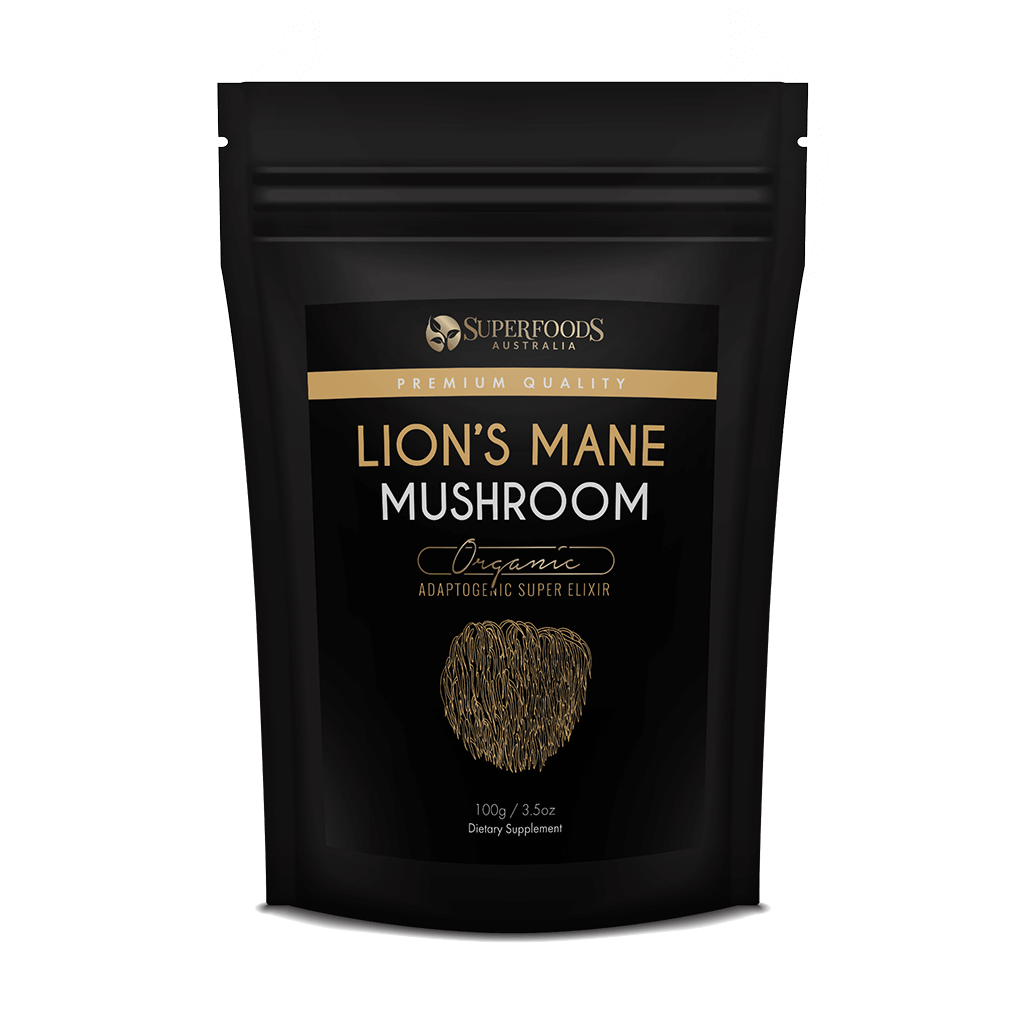


'Superfood' is a popular food and marketing term rather than a formal scientific food category. It is generally used for foods or ingredients notable for nutritional composition, traditional use, unusual origin or concentration of particular naturally occurring compounds.
Are all superfoods the same?
No. A berry powder, mushroom extract, tea, mineral resin and seed can all be marketed as superfoods while being completely different products.
What should you compare instead?
Look at the actual ingredient, botanical or mushroom species where relevant, country and region of origin, whole-food versus extract format, extraction ratio where relevant, fruiting body versus mycelium for mushrooms, independent testing, additives, serving size and storage directions.
Whole foods and extracts
A whole-food powder is generally dried food milled into powder. An extract involves an additional processing step designed to transfer soluble components into a concentrated form. The label and product description should make the format clear.
Is more concentrated always better?
Not necessarily. Concentration is only one product characteristic. Ingredient identity, processing, testing, intended use and the amount actually supplied are also important.