
Enzymes appear on food labels, in supplement marketing and in every biology textbook — but what are they, actually? Here's a plain-language explainer.
What enzymes are
Enzymes are proteins that act as catalysts: they speed up chemical reactions without being used up themselves. Every living organism runs on them — thousands of different enzymes drive processes in your body, from copying DNA to contracting muscles. Their names usually end in "-ase": amylase, protease, lipase, lactase.
Digestive enzymes, briefly
The enzymes most people hear about are digestive ones. Your body produces them itself: amylase in saliva begins breaking down starches, your stomach contributes protein-digesting enzymes, and the pancreas and small intestine supply a full suite that break food into absorbable components. This is ordinary physiology — a healthy digestive system produces the enzymes it needs.
Enzymes in food
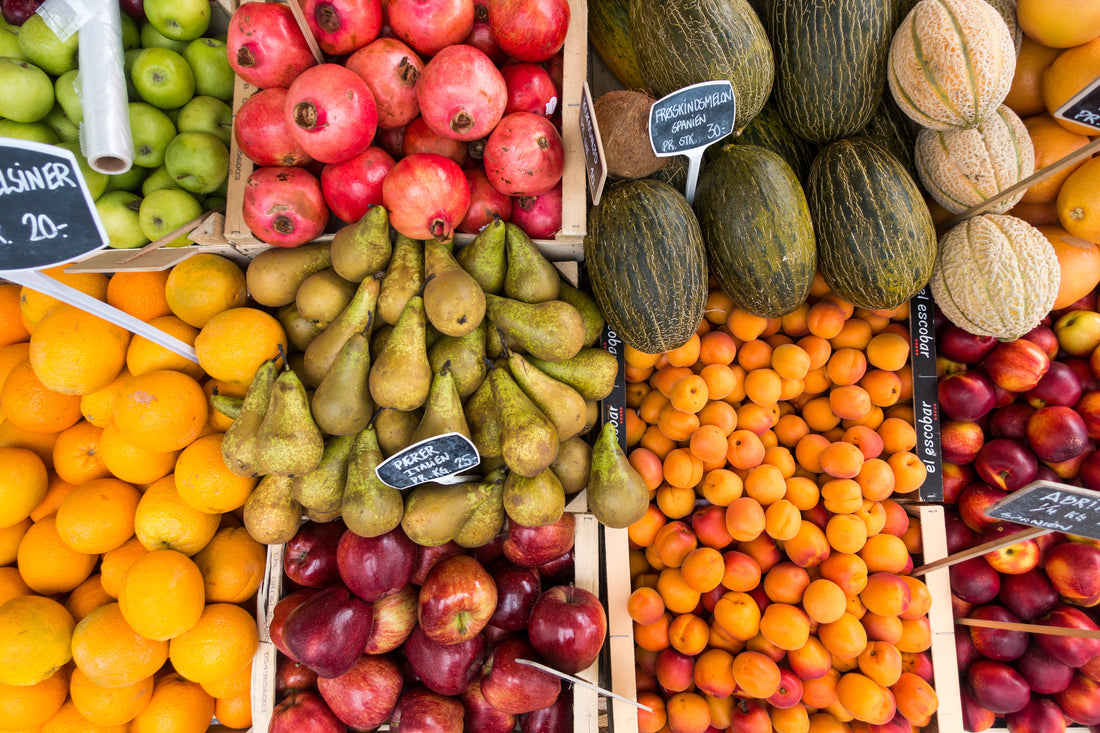
Raw plant foods contain their own enzymes, which is why cut apples brown (enzymatic browning) and why pineapple juice tenderises meat (bromelain, a protease). Because enzymes are proteins, they're denatured by heat — cooking inactivates them, exactly as it firms an egg white. Fermented foods are a special case: the live cultures in yoghurt, kefir, miso and sauerkraut produce enzymes as part of fermentation, which is how yoghurt cultures break down some of milk's lactose.
Why "raw" appears on some of our labels
Some minimally processed products are described as raw or never-heated because gentle processing preserves heat-sensitive components, including naturally occurring enzymes. For example, our cracked cell wall pine pollen is mechanically processed without high heat, unlike a hot-water extract — one of the genuine differences between the two formats. "Contains naturally occurring enzymes" is a statement about composition and processing, not a promise about what the product will do.
Keeping perspective
Enzymes are fascinating chemistry, but the practical takeaways are modest: a varied diet that includes some raw and fermented foods covers the territory, and gentler processing preserves more of a food's native components. If you have ongoing digestive concerns, that's a matter for your GP or an accredited practising dietitian.
This article is general information only and is not medical advice. Our products are not intended to diagnose, treat, cure or prevent any disease. Always consult a qualified healthcare professional before starting a new supplement.