

"Gut health" is everywhere at the moment — on packaging, in podcasts, across social feeds. Behind the buzzword sits a genuinely interesting area of science, and some refreshingly ordinary practical advice. Here's a plain-language look at what the term actually refers to.
What people mean by "the gut"
Your digestive tract is home to trillions of microorganisms — bacteria, fungi and other microbes, collectively called the gut microbiome. Research into the microbiome has expanded enormously over the past two decades, and scientists are still mapping how these microbial communities vary between people and respond to diet and lifestyle. It's a young field, and honest coverage of it acknowledges how much remains unknown.
What shapes the microbiome
Studies consistently observe that the make-up of gut microbial communities reflects long-term dietary patterns. The factors researchers focus on are unglamorous: overall dietary variety, fibre intake, fermented foods, sleep, physical activity and stress levels. No single ingredient dominates the picture.
Everyday food habits worth knowing about
Variety of plants. Different plant foods contain different types of fibre and polyphenols, so nutrition researchers often emphasise eating a wide range — vegetables, fruit, wholegrains, legumes, nuts and seeds — rather than large amounts of any one thing.
Fibre. Dietary fibre is the part of plant food your own enzymes can't digest; it passes to the large intestine, where gut microbes ferment it. Wholegrains, legumes, vegetables and fruit are the classic sources.
Fermented foods. Yoghurt, kefir, sauerkraut, kimchi, miso and kombucha are traditional foods produced with live microbial cultures, and have been part of food cultures worldwide for centuries.
Eating rhythm. Eating slowly, chewing well and keeping regular mealtimes are the kind of unfashionable habits that digestive health advice has included for generations.
Where superfoods fit
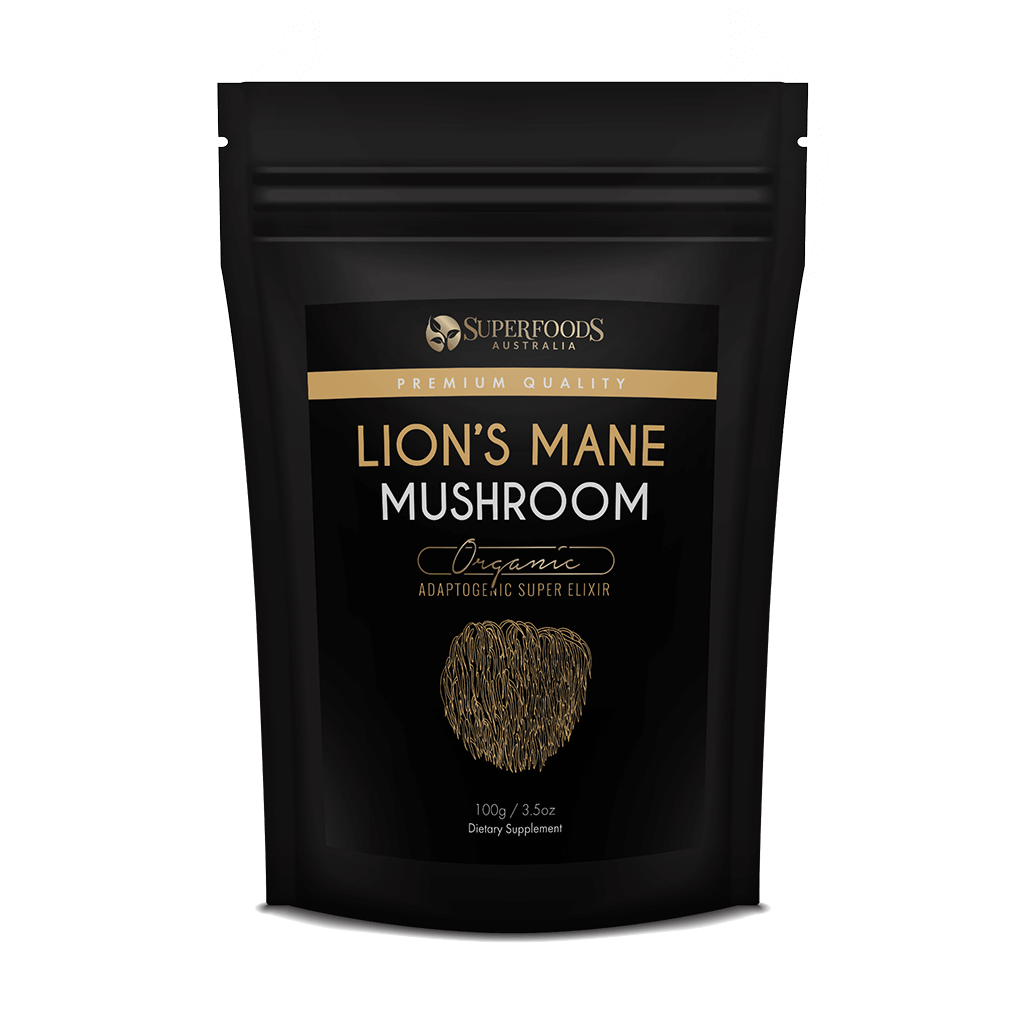
Superfood powders and extracts are best thought of as part of dietary variety, not a shortcut past it. They can add different plant compounds and flavours to a diet already built on whole foods — a spoon of berry powder in your porridge or mushroom extract in your coffee — but they don't replace vegetables, fibre or sleep.
When to seek advice
If you're experiencing ongoing digestive symptoms, that's a conversation for your GP or an accredited practising dietitian, not a supplement aisle. Persistent changes in digestion always warrant proper professional advice.
This article is general information only and is not medical advice. Our products are not intended to diagnose, treat, cure or prevent any disease. Always consult a qualified healthcare professional before starting a new supplement.