
When Australians think of superfoods, we usually picture imports — Amazonian berries, Himalayan resins, Siberian fungi. But this continent has its own remarkable native foods, harvested and prepared by Aboriginal and Torres Strait Islander peoples for tens of thousands of years. Here are five worth knowing, treated with the respect their history deserves.
Davidson's Plum
A rainforest fruit of northern New South Wales and Queensland with deep purple skin, crimson flesh and a strikingly sour, earthy flavour. Too tart for most people to eat raw, it shines in jams, sauces and desserts, and is naturally rich in anthocyanins — the pigments behind its dramatic colour.
Lemon Myrtle
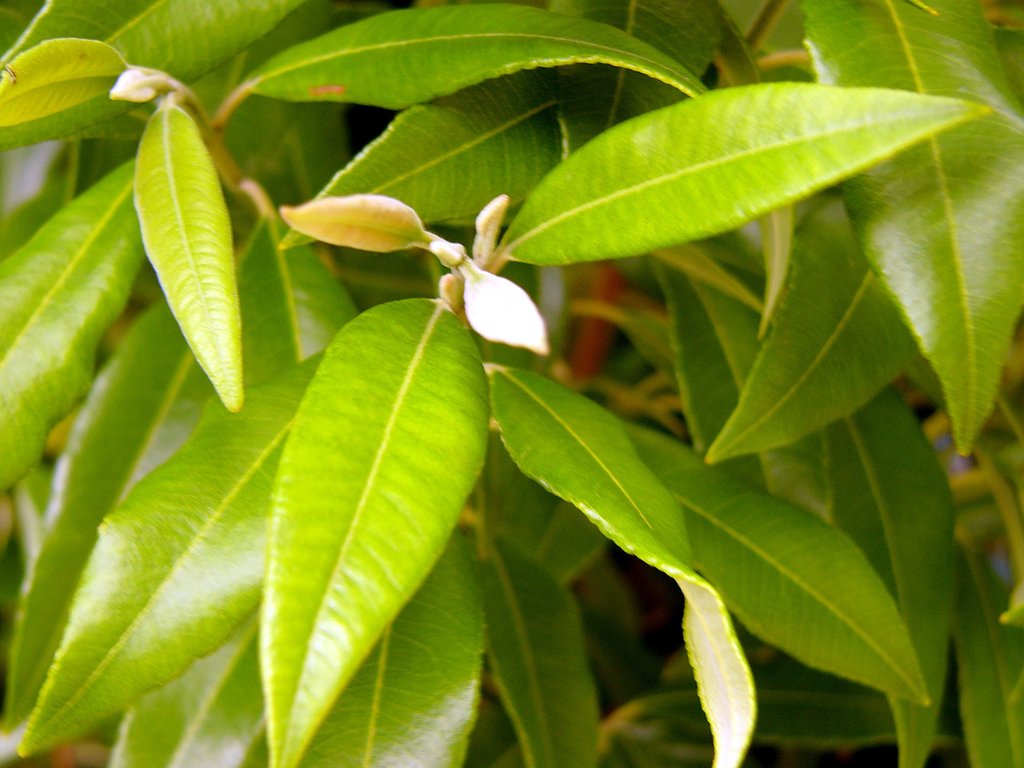
Often called the queen of the lemon herbs, lemon myrtle is a flowering rainforest tree whose leaves carry one of the highest natural concentrations of citral found in any plant — the compound behind its intense lemon aroma. Traditionally used by Aboriginal peoples for both food and practical purposes, today it's a beloved culinary herb in teas, baking, dressings and seasoning. We offer it as a loose-leaf tea and a tincture.
Mountain Pepper
Tasmannia lanceolata grows in the cool mountain gullies of Tasmania, Victoria and southern New South Wales. Its dark berries and leaves have long been used as a native spice — sharp, hot and aromatic, with a slow-building heat quite different from black pepper. The berries are notably rich in polyphenol antioxidants and contain the distinctive compound polygodial.
Wattleseed
Aboriginal peoples across Australia have ground roasted acacia seeds into flour for tens of thousands of years. Roasted wattleseed has a nutty, coffee-and-chocolate aroma that makes it a natural fit for breads, ice cream, desserts and even coffee blends. Nutritionally it's a dense little package of protein, fibre and minerals.
Kakadu Plum
A staple food of northern Australia's First Nations peoples, the Kakadu plum (gubinge, murunga) is internationally famous for one compositional fact: it records among the highest vitamin C concentrations ever measured in a fruit — many times that of an orange, gram for gram. It's tart and refreshing, and most commonly available freeze-dried as a powder.
Bringing them into your kitchen
Native ingredients reward a light touch: lemon myrtle in shortbread or tea, mountain pepper in rubs and marinades, wattleseed in baking, Davidson's plum in sauces, Kakadu plum powder in smoothies. Buying from suppliers who source ethically — ideally supporting Indigenous-led harvesting enterprises — honours where these foods come from.
This article is general information only and is not medical advice. Our products are not intended to diagnose, treat, cure or prevent any disease. Always consult a qualified healthcare professional before starting a new supplement.